
The Edge PBSA, 48-52 York St
Belfast, Northern Ireland

Date Completed
2024
Sector
Student Accommodation
Main Contractor
Turkington Construction


Project Overview
Project Context
The Edge is an eleven-storey purpose-built student accommodation development on York Street in Belfast, directly adjacent to Ulster University. The building forms a prominent frontage within the Cathedral Quarter and sits within a busy city-centre environment with high pedestrian traffic and restricted access routes.
Thornton was engaged during the main contractor’s ECI phase, contributing to buildability, sequencing, system selection, and cost planning. Following appointment, we took full Contractor Design Portion responsibility for the façade and associated aluminium works, developing the Stage 5 design and coordinating delivery across a high-rise, regulation-driven scheme.
Scope of Works
Thornton’s package included the design, supply and installation of the rainscreen façade system, flat roof, soffits, louvres, davit arms, fall-arrest systems, and cavity barriers.
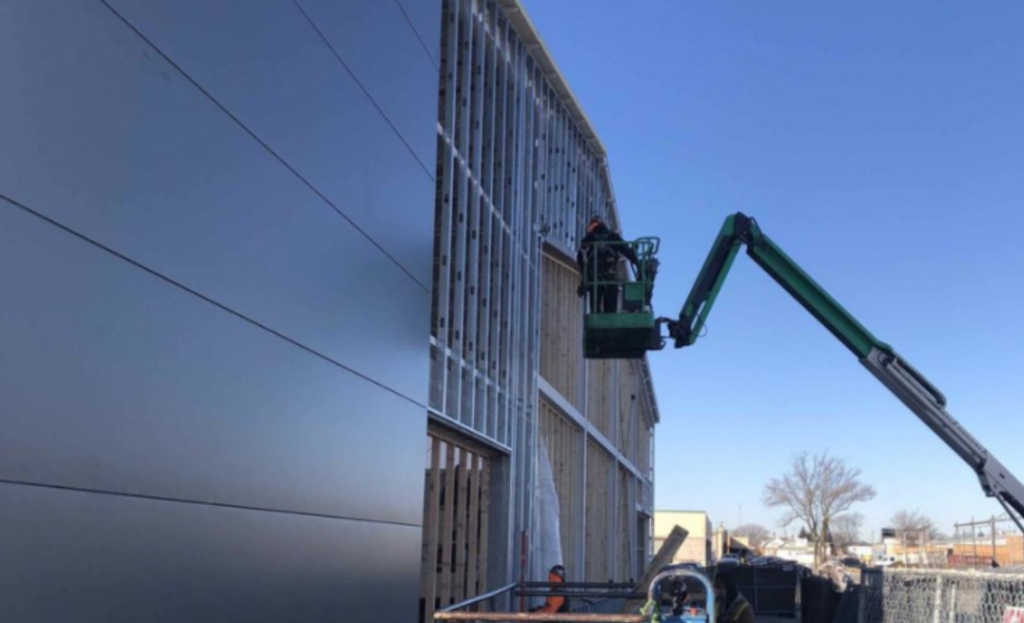
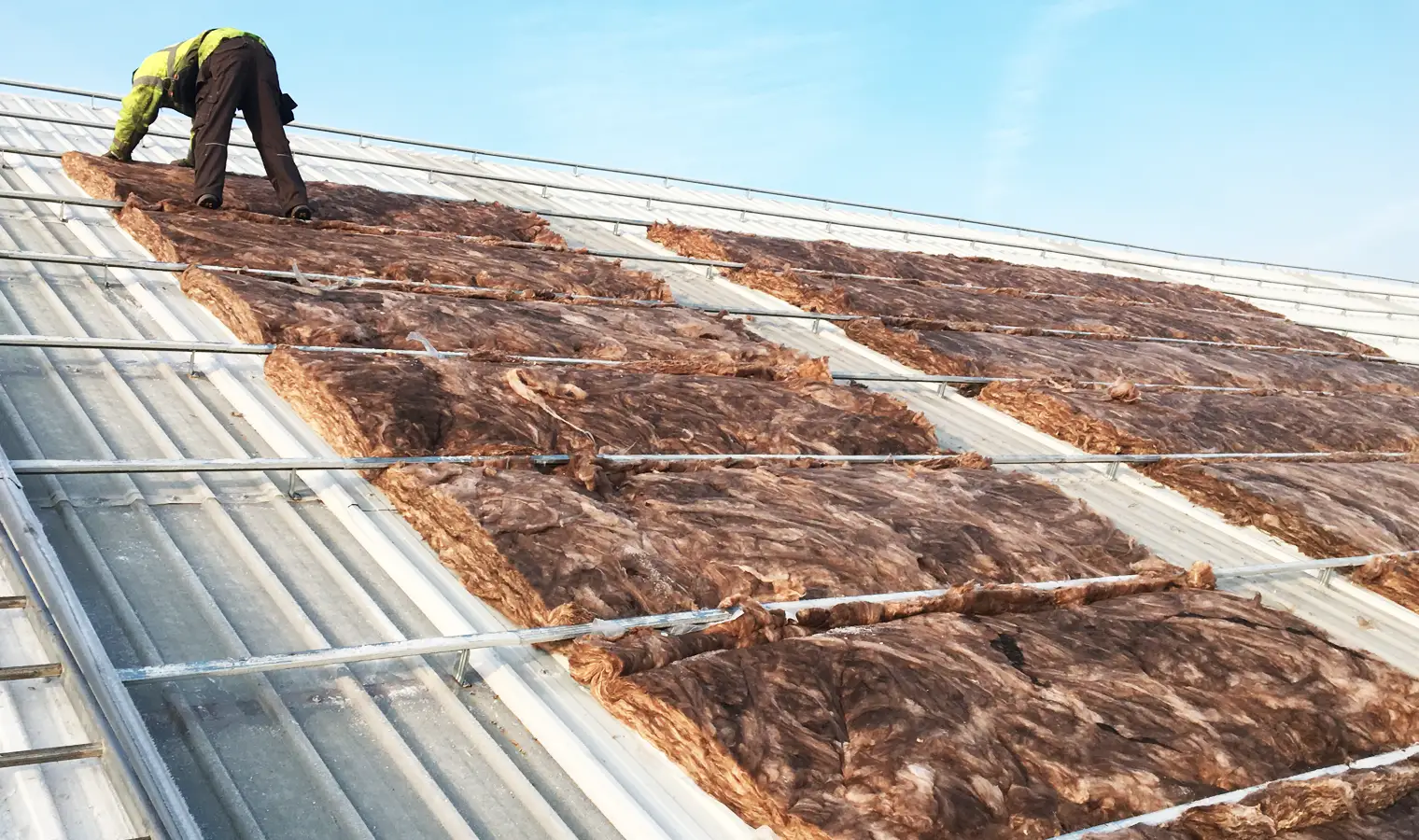
The façade comprised Swisspearl fibre cement rainscreen panels, through-fixed with colour-matched rivets to a Fixfast helping-hand bracket and rail system. The build-up incorporated Knauf Rocksilk mineral wool insulation and a breather membrane to provide secondary weather resistance, with Siderise cavity barriers installed both vertically and horizontally to achieve fire compartmentation.
High-level areas incorporated Kalzip standing seam wall cladding, while roofing works included an Strata Waterproofing Axter built-up felt system and a podium deck waterproofing assembly with paving supported on pedestals. Metal Technology louvre systems were installed to provide ventilation, and the roof areas were fitted with permanent access systems to support future maintenance.
All elements were coordinated as a single envelope system, including interfaces with windows, curtain walling, and adjacent structures, with bespoke aluminium flashings used to maintain alignment and weathering continuity around openings and transitions.
Suppliers


Technical Delivery
Key Challenges & Solutions
The project combined the typical challenges of a high-rise façade with the added pressure of a constrained city-centre site and enhanced regulatory requirements.
Early survey work identified that the superstructure tolerances were outside expected limits. Left unresolved, this would have led to misalignment across the façade. The design was revisited to accommodate these deviations, with bracketry and support arrangements adjusted to absorb tolerance while maintaining the external line. This was coordinated early enough to avoid any impact on programme.
Fire compliance was a key driver throughout. As a relevant building, the façade had to meet stringent fire performance standards and achieve ESW1 compliance. Close coordination with the fire engineer ensured that cavity barrier layouts, materials, and interfaces were fully compliant and supported by the necessary documentation. The detailing was developed to work in practice, not just on paper, particularly around complex junctions and openings.
Logistics were consistently challenging. Access to site was restricted through a height-limited underpass, and there was minimal space for storage. Materials were brought in on a just-in-time basis, with unloading managed within a council-approved exclusion zone. The façade installation relied heavily on shared mast climbers, requiring daily coordination with other trades to maintain progress.
One elevation presented a different problem altogether. Due to its proximity to an occupied neighbouring building, mast climbers could not be used. A bespoke scaffold solution was developed instead, with works planned around the neighbour’s operations. Weathering interfaces were agreed in advance, and some activities were carried out outside normal hours to avoid disruption.
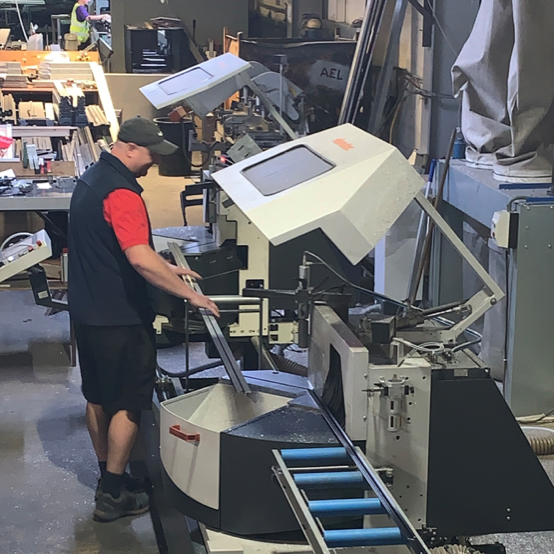
Bespoke picture-frame flashings were developed, site-measured, and fabricated to suit actual opening conditions, ensuring consistency in appearance and maintaining tight tolerances across the elevations.
Performance Outcomes
The completed envelope meets all fire, thermal, and weathering performance requirements for a high-rise residential building, with full alignment to relevant building regulations and ESW1 expectations.
Early identification and resolution of structural tolerance issues ensured the façade remained true to line without impacting programme. The use of sectional completion zones allowed controlled handover to follow-on trades and maintained overall progress across the project.
Quality was maintained through structured inspection and digital QA processes, with full traceability of installation and compliance records. Manufacturer involvement supported warranty approvals and verification of key elements such as cavity barriers and waterproofing systems.
Despite the constraints of the site and the level of coordination required, the works were delivered safely, with no reportable incidents. The finished façade and roof provide a durable, maintainable envelope that aligns with the architectural intent and the long-term use of the building.

Shaun Donnelly
Contracts Manager at Turkington Construction
“But all parties immediately coordinated and implemented a solution that maintained the target completion date that was ultimately achieved.”
“We engaged Thornton Roofing for 48-52 York Street PBSA to provide roofing and cladding services from RIBA stage 5 onwards on this project. To date we have had a long-standing working relationship with Thorntons, particularly on our more complicated schemes. With both elements of this package being a CDP, early engagement in design development and coordination with other façade elements and SFS internally, as well as roof level MEP and acoustic attenuation, was imperative to achieve a meaningful start on site, with what was a very tight programme. Quality of design, coordination and installation throughout was critical, with hold points for site inspections to validate the EWS1 requirements by the independent fire engineers along the way.
“Some substantial variations were introduced with mechanical ventilation early, which could have derailed the programme, but all parties immediately coordinated and implemented a solution that maintained the target completion date that was ultimately achieved. Their staff throughout remained constant. There from start to finish, which is rare these days and should be celebrated. In a city centre location, the logistics of doing such works can be very challenging. Phasing plans, sequences, material deliveries, mast climber access programmes, crane time, were only some of the variables to this complex equation. Throughout, Thorntons played an integral role in developing, supporting, and adjusting these variables while ultimately delivering this fantastic project. We would have no hesitation, and look forward to working with the team again in the not-too-distant future.”
How the project came to life


